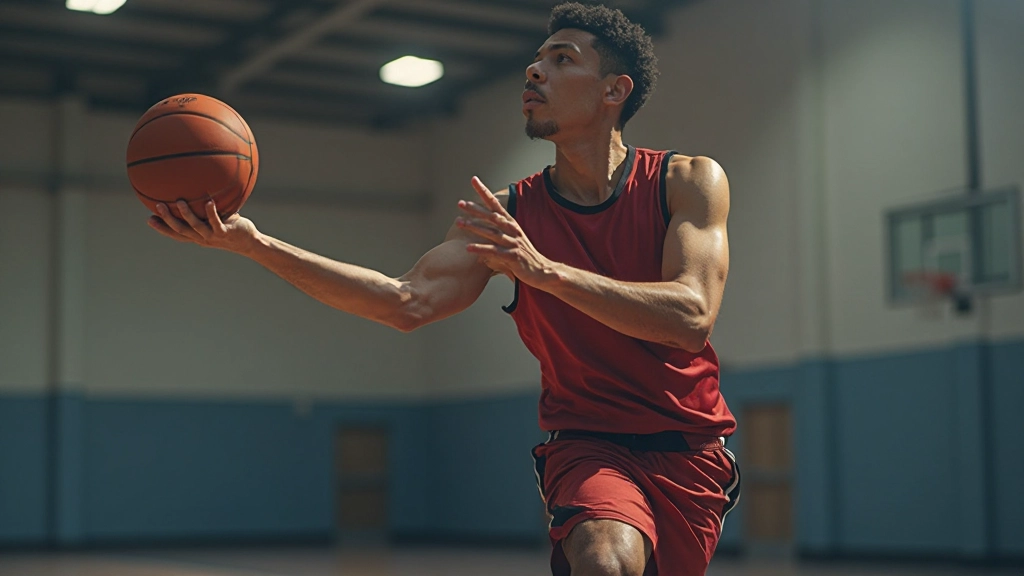
Systematic Player Development and Performance Analysis
Implement structured coaching frameworks for evaluating athlete progress, identifying strengths, and designing personalized training programs for competitive advancement.
Understanding Structured Development Frameworks
Systematic player development represents a comprehensive approach to athletic improvement that goes beyond conventional training methods. This framework emphasizes organized evaluation of individual capabilities, consistent progress monitoring, and targeted skill enhancement across multiple performance dimensions.
The foundation of effective development lies in establishing clear performance baselines. Coaches assess current abilities across fundamental categories including court awareness, technical execution, physical conditioning, and game intelligence. This baseline serves as the reference point for measuring advancement and identifying specific areas requiring focused attention.
A structured framework provides consistency across training programs. Rather than employing random drills or changing approaches frequently, systematic development creates predictable progression pathways. Players understand expectations, recognize improvement patterns, and maintain motivation through visible advancement in measurable areas.
- Establish individual performance baselines through comprehensive assessment
- Create standardized evaluation metrics across all skill categories
- Develop consistent training protocols tailored to individual needs
- Monitor progress through regular performance reviews
- Adjust programs based on documented advancement patterns

Comprehensive Performance Analysis Methods
Performance analysis involves systematic evaluation of athlete capabilities across measurable dimensions. Modern coaching integrates multiple assessment approaches to create detailed performance profiles that guide training decisions and development strategies.
Technical Skills Assessment
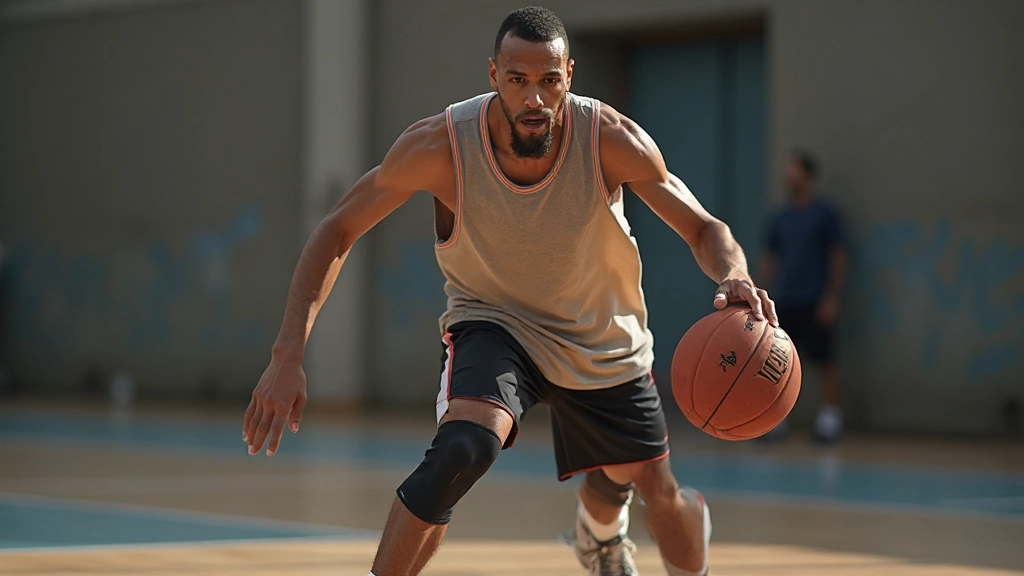
Evaluate fundamental execution including shooting accuracy, passing precision, ball handling consistency, and footwork quality. Document baseline measurements and establish improvement targets for each technical element.
Physical Performance Metrics
Monitor conditioning components including speed, agility, strength, and endurance. Track improvements in vertical leap, lateral quickness, sustained effort capacity, and recovery rates during competitive scenarios.
Game Intelligence Development
Assess decision-making quality, positional awareness, defensive positioning, and offensive spacing understanding. Evaluate recognition of game situations and appropriate response selection in competitive contexts.
Video analysis serves as a powerful evaluation tool, allowing detailed examination of movement patterns, positioning choices, and technical execution. Recording training sessions and competitive play creates permanent records enabling comparison across development periods and identification of specific improvement areas.
Educational Information
This content provides educational information about systematic player development and performance analysis approaches. It represents general information about coaching methodologies and is not tailored to individual circumstances. Athletic development outcomes depend on numerous factors including individual effort, coaching quality, existing ability levels, training consistency, and competitive environment variables. Individual results vary significantly based on these factors. For personalized coaching guidance specific to individual athletes, consultation with qualified coaching professionals experienced with your particular context is recommended.
Designing Personalized Development Programs
Effective development programs address individual needs rather than applying uniform approaches to all players. Personalization begins with honest assessment of current capabilities and identification of areas presenting growth opportunities.
Program Development Process
- Comprehensive Assessment: Conduct detailed evaluation of technical skills, physical capabilities, and game intelligence across relevant performance categories.
- Priority Identification: Determine which improvement areas will create greatest advancement impact when developed. Prioritize based on current weaknesses and competitive requirements.
- Goal Establishment: Set specific, measurable objectives for targeted areas. Include timelines and evaluation methods for progress assessment.
- Program Design: Create structured training protocols addressing identified priorities. Include drill progressions, practice organization, and feedback systems.
- Implementation: Execute programs consistently with appropriate coaching supervision and technical feedback. Maintain training logs documenting sessions and progress indicators.
- Evaluation Cycles: Conduct regular assessment reviews to verify progress, identify adjustment needs, and celebrate advancement achievements.
Programs requiring significant skill advancement benefit from extended timelines allowing gradual progression and skill consolidation. Rushing development often results in incomplete learning and higher injury risk. Systematic progression from foundational elements to advanced applications creates sustainable improvement and reduces performance plateaus.
Effective Implementation and Progress Monitoring
Translating development frameworks into actual improvement requires consistent implementation and systematic progress verification. Coaches establish training structures that prioritize targeted skill development while maintaining overall conditioning and competitive readiness.
Key Implementation Elements
- Structured Practice Sessions: Organize training time with clear objectives for each session. Include technical work, competitive drills, and conditioning elements appropriate to development priorities.
- Progressive Difficulty: Advance drill complexity as competency develops. Begin with foundational techniques in controlled environments, progressing to competitive scenarios with increased difficulty.
- Feedback Systems: Provide immediate technical feedback during skill work. Use video analysis for detailed movement examination and correction.
- Consistent Monitoring: Document performance metrics regularly. Track advancement across established evaluation categories with specific measurements enabling progress verification.
- Motivation Strategies: Recognize advancement achievements and celebrate progress milestones. Connect visible improvements to development goals for reinforcement.
- Adjustment Protocols: Review progress data regularly. Modify programs when plateaus occur or when advancement exceeds targets. Maintain flexibility while preserving overall framework consistency.
Progress monitoring serves multiple purposes beyond tracking advancement. Regular evaluation identifies training effectiveness, reveals whether current approaches produce desired results, and provides data supporting program adjustments. Athletes benefit from visible progress documentation, as recognition of improvement maintains motivation and validates training effort investment.
Effective programs balance patience with progressive challenge. Initial development periods emphasize foundational skill mastery before introducing advanced applications. As competency develops, training intensity and complexity increase. This graduated approach prevents frustration from excessive difficulty while avoiding stagnation from insufficient challenge.
Translating Development Into Competitive Performance
The ultimate measure of development effectiveness emerges in competitive contexts. Skills developed in training environments must transfer to game situations where conditions are unpredictable and opponents actively resist execution. Systematic programs intentionally bridge this training-to-competition gap through progressive scenario complexity.
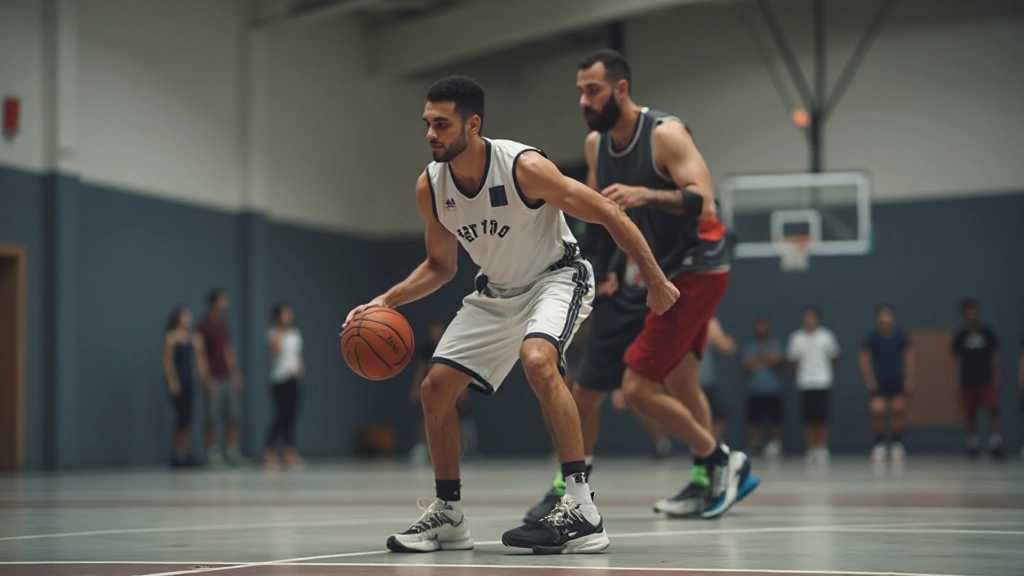
Competitive Transfer Principles: Development programs that incorporate game-realistic conditions produce superior transfer to actual competition. Practices emphasizing decision-making speed, pressure situations, and opponent resistance create athletes capable of executing developed skills under competitive stress.
Game performance analysis provides essential feedback for ongoing development refinement. Reviewing competitive footage reveals skill execution quality in realistic conditions, decision-making patterns under pressure, and areas where training advances haven't fully transferred to competition. This analysis informs program adjustments ensuring development remains relevant to competitive requirements.
Long-term athletic development emphasizes building resilient athletes capable of continuous advancement throughout competitive careers. Rather than pursuing rapid improvement cycles, systematic frameworks develop foundational capabilities supporting sustained progress. Athletes completing structured development programs demonstrate consistency, adaptability to competitive challenges, and capacity for continued advancement as competition levels increase.