Defensive Strategy and Team Positioning Fundamentals
Understanding defensive principles is essential for building resilient team defense. This comprehensive guide explores proper positioning techniques, communication patterns, and tactical awareness that form the foundation of effective basketball defense.
Understanding Defensive Positioning Principles
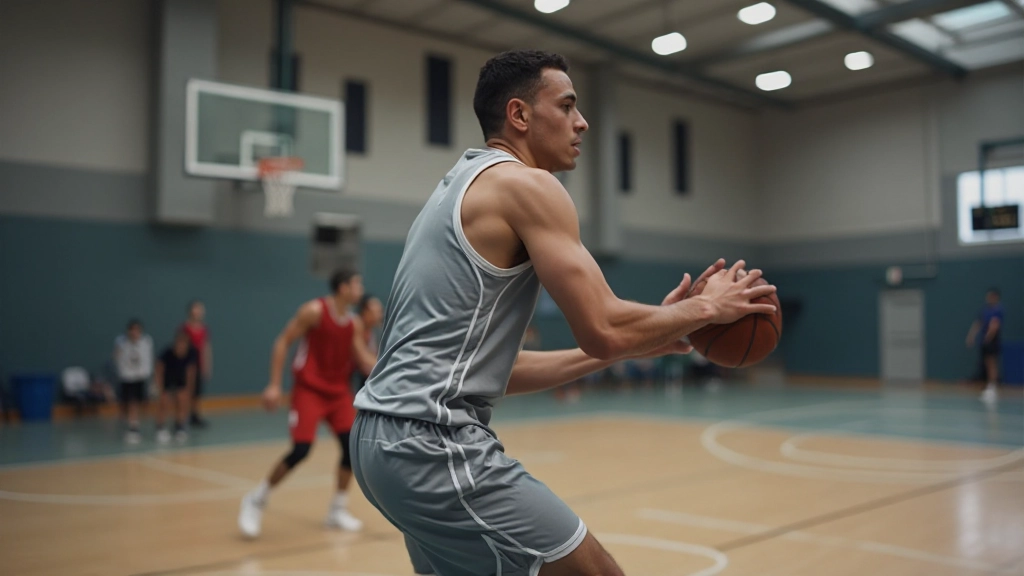
Effective defensive strategy begins with understanding how positioning influences team performance. Defensive positioning refers to the deliberate placement of players on the court to maximize coverage and minimize scoring opportunities for opponents. This foundational concept requires players to maintain awareness of ball location, opponent movement, and teammate positioning simultaneously.
The concept of defensive positioning extends beyond individual player placement. It encompasses how five players work together as a cohesive unit to create defensive pressure. Teams that master positioning principles typically demonstrate improved shot contest rates, reduced open three-point attempts, and stronger rebounding control. These outcomes result from systematic positioning rather than individual defensive talent alone.
Players positioned correctly can influence shooting angles without fouling. This principle allows defenders to contest shots effectively while maintaining discipline. Proper positioning also enables defenders to recover quickly when offensive players move, maintaining defensive coverage throughout the possession.
Core Defensive Positioning Concepts
Ball-You-Man Principle
This fundamental concept requires defenders to position themselves where they can see both the ball and their assigned opponent. By maintaining this visual triangle, defenders reduce passing lanes and can react quickly to offensive movements. The ball-you-man principle ensures defenders aren't caught off-guard by sudden passes or cuts.
Defensive Spacing and Distance
Appropriate spacing between defenders creates defensive coverage while preventing offensive players from finding open areas. The distance maintained depends on opponent skill level and shot range. Guards typically play closer to three-point shooters, while bigs adjust based on opponent offensive capabilities. This spacing concept balances coverage with defensive versatility.
Help and Recovery System
Defensive positioning enables help-side defense where nearby defenders provide support when opponents drive toward the basket. This system requires players to position themselves to see both the ball and potential offensive threats. Proper positioning allows defenders to help without leaving shooters open, then recover quickly to reassign.
Floor Balance and Coverage
Teams maintain floor balance by ensuring all offensive threats receive defensive attention. Proper positioning distributes defenders across the court so no area remains unguarded. This systematic approach prevents offensive players from exploiting gaps and creates a cohesive defensive structure. Balance is maintained even when players move between positions.
Communication and Team Coordination
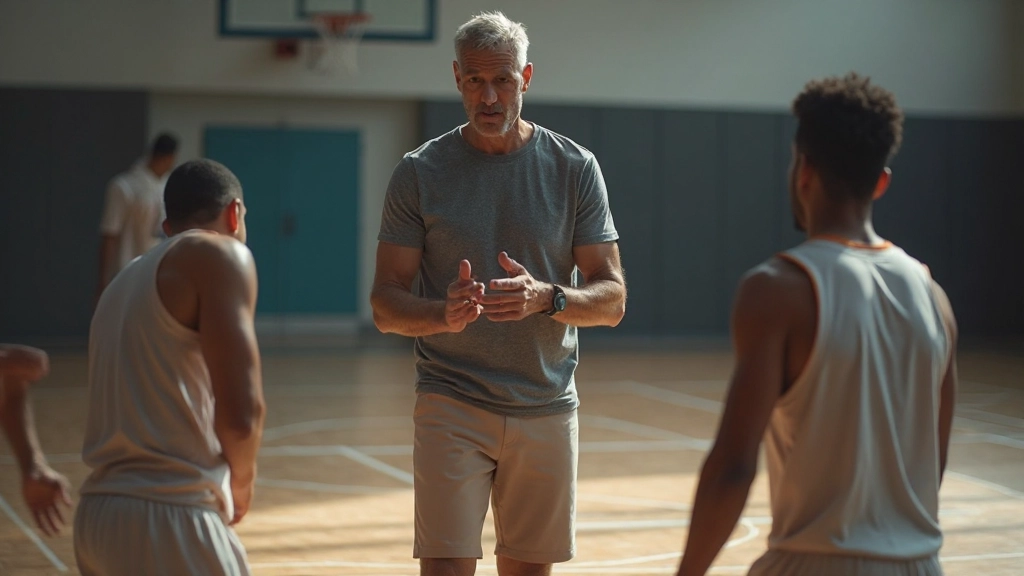
Effective defensive positioning cannot exist without clear communication among teammates. Verbal communication establishes player assignments, alerts defenders to screens and cuts, and coordinates help-side rotations. Teams that implement consistent communication patterns experience fewer defensive breakdowns and maintain positioning discipline throughout games.
Defensive communication serves multiple functions. Players call out screen situations to prevent being beaten off the dribble. Defenders communicate offensive threats moving without the ball, ensuring assignments don't get missed. Help-side defenders announce their positioning so teammates understand coverage responsibilities. This constant communication creates shared awareness across all five defenders.
Key Communication Elements
- Screen Calls: Players announce screens to help teammates adjust positioning and maintain coverage
- Threat Identification: Defenders communicate dangerous offensive movements and positioning changes
- Help Announcement: Players declare when they're providing help-side defense to coordinate rotations
- Transition Calls: Teams communicate positioning adjustments during transitions between offense and defense
- Rebounding Assignments: Defenders call out rebounding responsibilities based on positioning
Informational Disclaimer
This content provides educational information about basketball defensive strategy and positioning concepts. The information presented represents general coaching principles and is intended for instructional purposes. Individual player development varies based on age, experience level, athletic ability, and training environment. Coaches and players should adapt these principles to their specific circumstances and skill levels. Results from implementing these defensive strategies depend on consistent practice, coaching guidance, and team commitment.
Tactical Awareness and Game Situations
Defensive positioning adjusts based on game situations and offensive threats. Teams develop specific positioning strategies for different scenarios, including pick-and-roll defense, transition situations, and late-game scenarios. Understanding these tactical adjustments allows defenders to maintain effectiveness regardless of offensive approach.
Pick-and-roll situations require defenders to position themselves to address the screen effectively. Teams employ various approaches including switching, hedging, or fighting over screens. Each approach requires specific positioning adjustments that maintain coverage while minimizing offensive scoring opportunities. Defenders who understand positioning principles can execute these adjustments consistently.
Transition defense presents unique positioning challenges as teams shift from offense to defense rapidly. Defensive positioning during transitions emphasizes getting back quickly while maintaining spacing. Players position themselves to contest shots and prevent easy scoring opportunities while teammates retreat. This balanced approach prevents defensive breakdowns during vulnerable transitions.
Developing Positioning Skills Through Practice
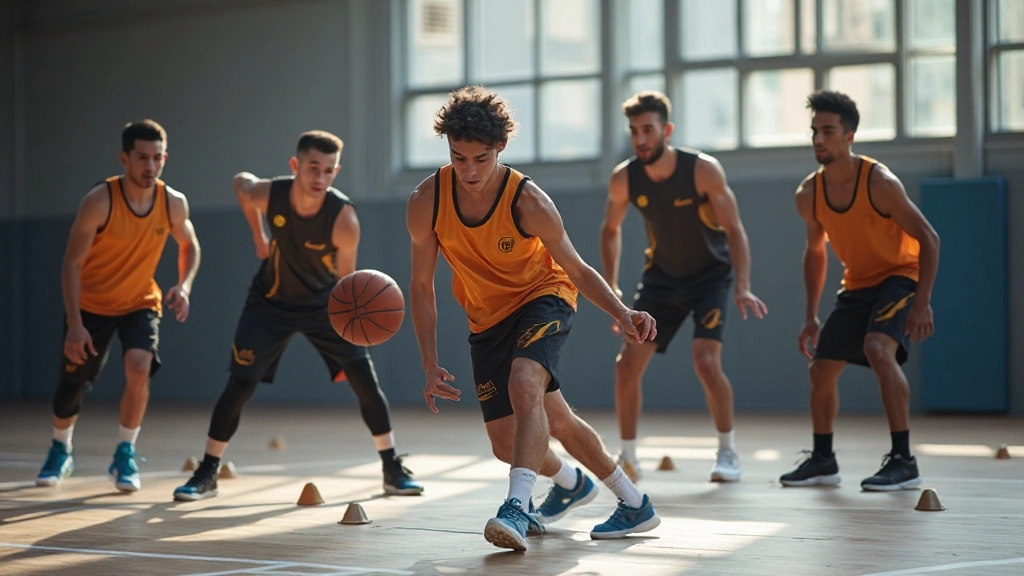
Defensive positioning improves through deliberate practice focused on specific positioning concepts. Coaches design drills emphasizing proper spacing, communication, and movement patterns. These structured practice sessions build muscle memory for positioning adjustments and develop the tactical awareness necessary for consistent defensive execution.
Effective Practice Approaches
Live scrimmages provide realistic practice environments where players apply positioning concepts under competitive pressure. Five-on-five drills allow players to experience actual game situations while focusing on positioning execution. These competitive drills develop decision-making skills alongside positioning fundamentals.
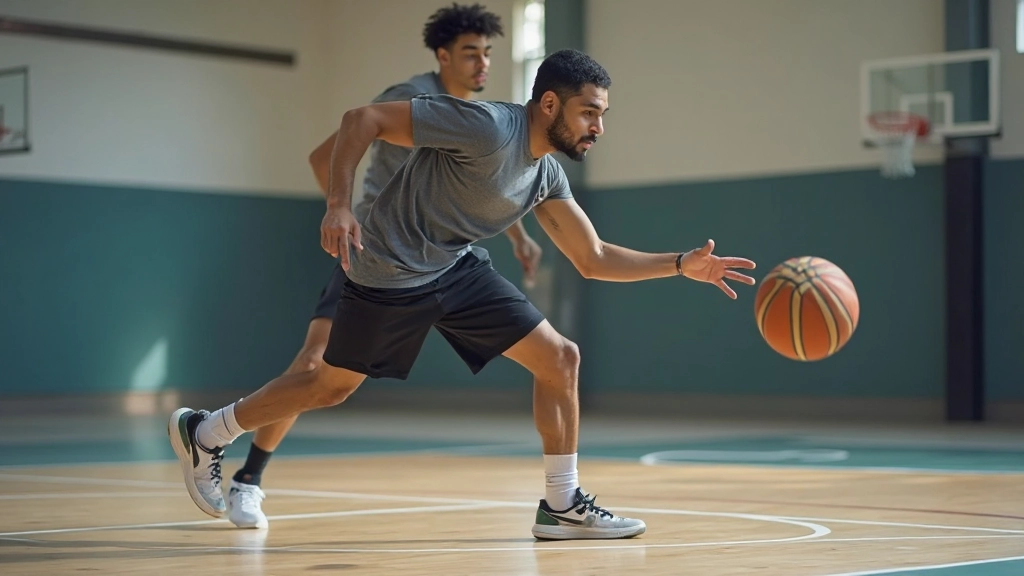
Individual and small-group drills isolate specific positioning skills. One-on-one drills focus on single defender positioning, while two-on-two drills develop positioning coordination between teammates. Three-on-three drills introduce help-side positioning concepts. This progression from simple to complex drills builds positioning competency systematically.
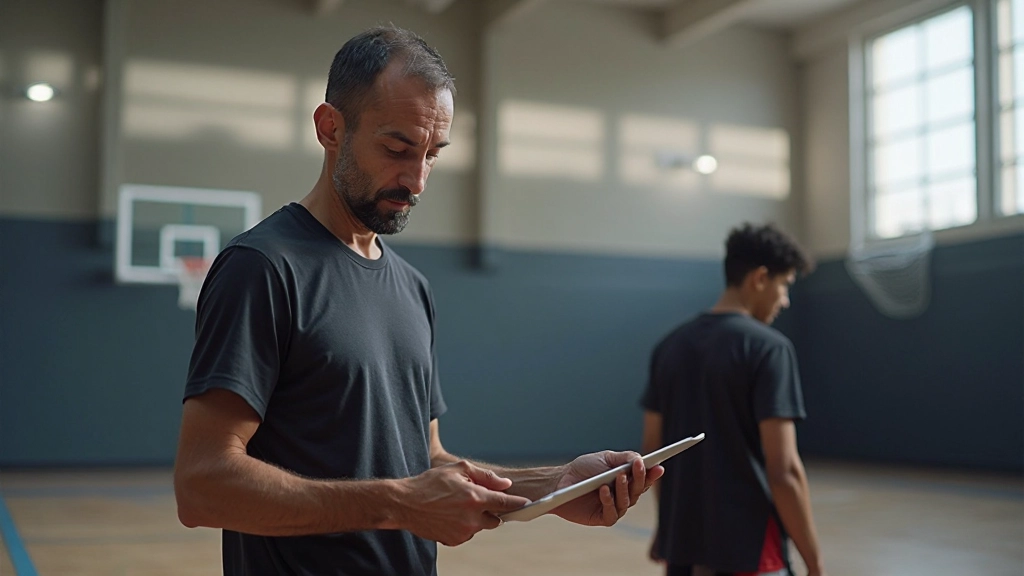
Film review sessions allow teams to analyze positioning decisions during games. Coaches and players examine successful positioning and identify areas needing improvement. This analysis connects positioning theory to actual game performance, reinforcing correct principles and highlighting positioning adjustments.